Step-by-Step Mindful Crafts
Learn crafting techniques that calm the mind and inspire creativity. Perfect for beginners and experienced makers.
Clay Modeling: Hand-Built Bowl
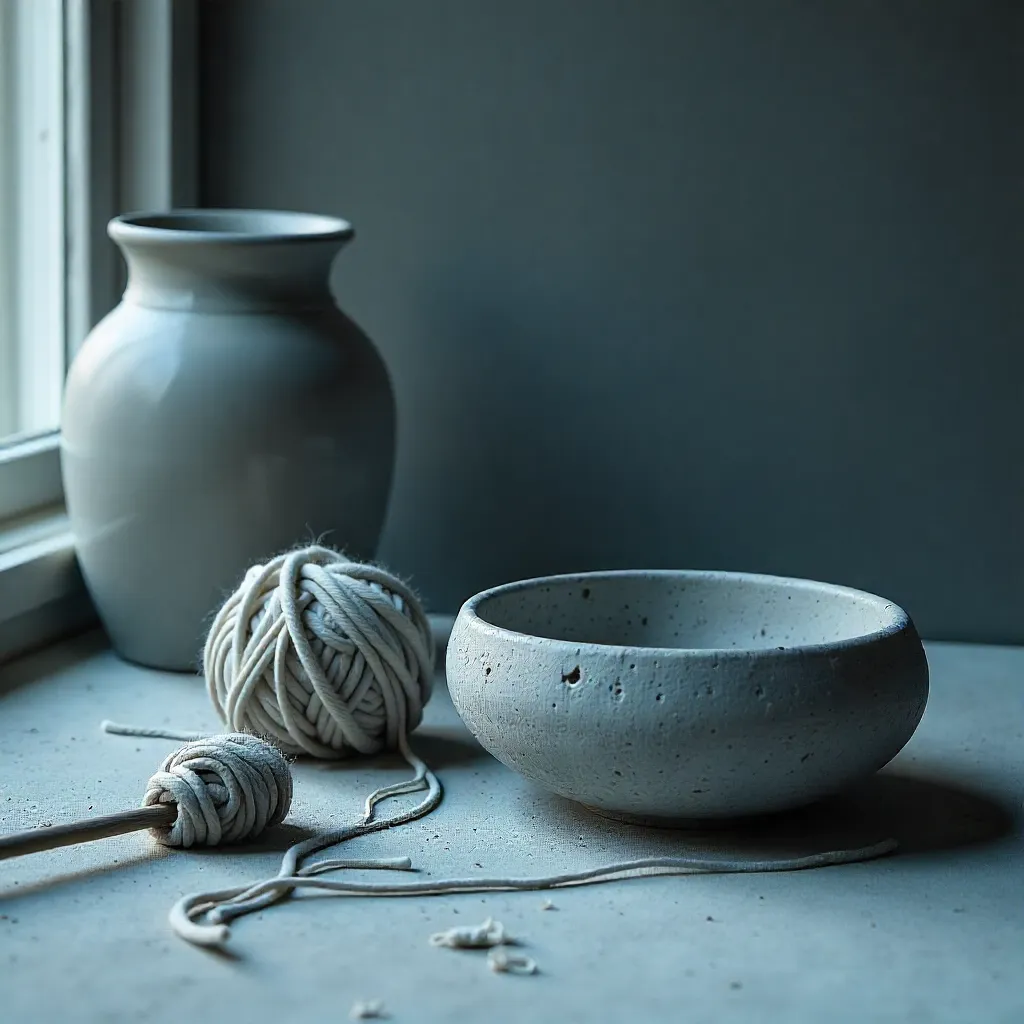
Materials Needed
- Air-dry clay (500g) - eco-friendly option: natural terracotta clay
- Rolling pin or smooth bottle
- Water and small sponge
- Plastic wrap
- Optional: natural pigments for coloring
Step-by-Step Instructions
- Prepare your workspace: Clear a clean, flat surface. Place a piece of plastic wrap or canvas to work on. Take three deep breaths to center yourself.
- Knead the clay: Remove your clay from packaging and knead it for 5 minutes. Feel the texture, notice its temperature. This is your first moment of mindfulness.
- Roll out the base: Flatten the clay to about 1cm thickness. Use your rolling pin with gentle, even pressure. Focus on the rhythm of rolling.
- Shape the bowl: Cut a circle for the base. Create a long strip for the sides. Gently attach the sides to the base, smoothing the seams with wet fingers.
- Add finishing touches: Smooth the surface with a damp sponge. Add any decorative elements if desired. Let your creativity flow naturally.
- Dry and finish: Cover with plastic wrap and let dry for 24-48 hours. Once dry, you can paint or seal if desired.
Mindfulness Tip: As you work with the clay, notice the sensations in your hands. Feel the resistance and give of the material. Let each movement be intentional and present. If your mind wanders, gently bring it back to the feel of the clay.
Knitting: Cozy Scarf for Beginners
Materials Needed
- Worsted weight yarn (200g) - choose organic cotton or wool for eco-friendly option
- Size 8 (5mm) knitting needles
- Yarn needle for finishing
- Scissors
Step-by-Step Instructions
- Cast on: Make a slip knot and cast on 30 stitches. Count each stitch mindfully, feeling the yarn between your fingers.
- First row: Knit across all stitches. Focus on the rhythm: insert, wrap, pull through, slide off. Let this become meditative.
- Continue knitting: Repeat the knit stitch for every row until your scarf measures 60 inches (or your desired length).
- Bind off: When you reach your desired length, bind off all stitches loosely. Cut yarn, leaving a 6-inch tail.
- Finishing: Weave in the ends using your yarn needle. Take time to secure each end neatly.
Mindfulness Tip: The repetitive motion of knitting is naturally calming. Focus on the click of the needles, the feel of the yarn, and the growing fabric. Each stitch is a moment of presence. If you make a mistake, treat it as part of the journey.
Paper Crafts: Origami Crane
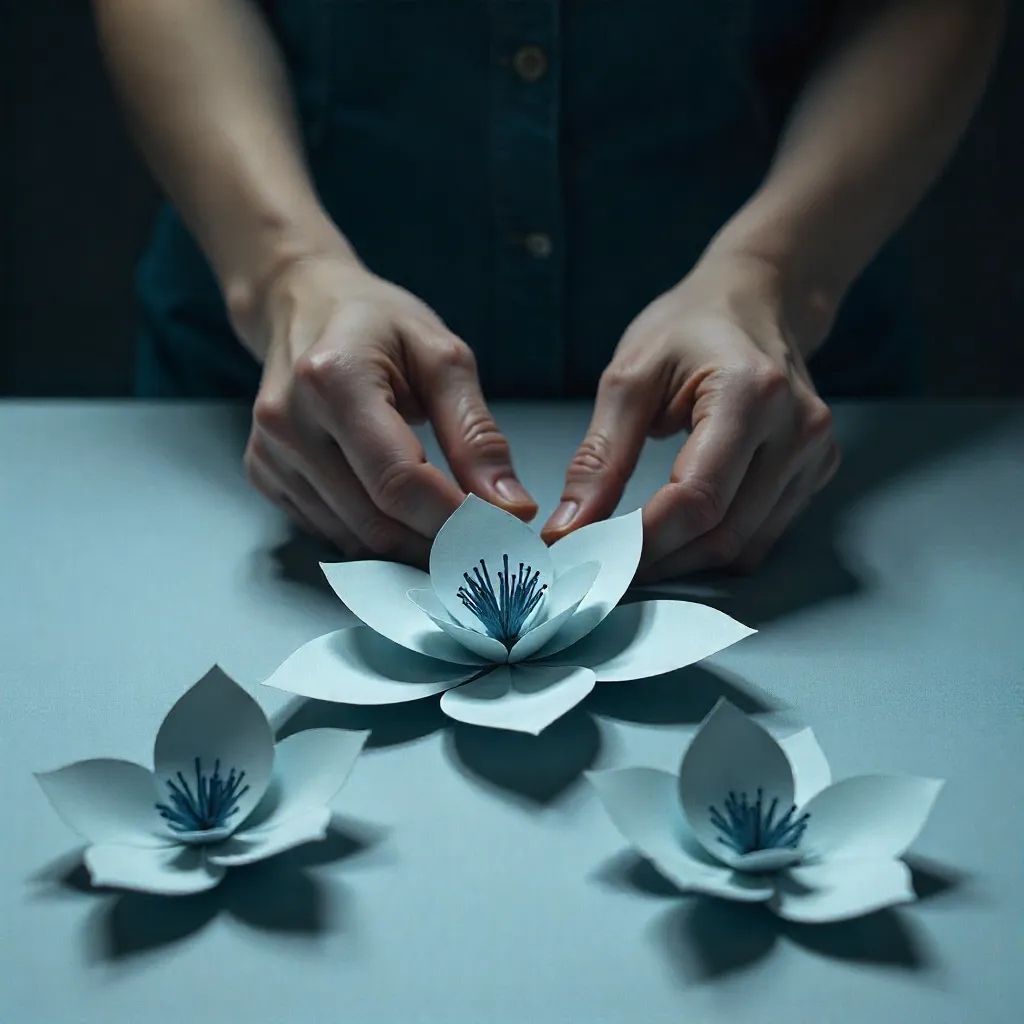
Materials Needed
- Square origami paper (15cm x 15cm) - use recycled paper for eco-friendly option
- Flat, clean surface
- Patience and focus
Step-by-Step Instructions
- Start with a square: If your paper isn't square, fold one corner to the opposite edge and trim. Begin with the colored side down.
- Create diagonal folds: Fold in half diagonally both ways, then unfold. These creases are your guides.
- Form the base: Fold the paper into a square base by bringing all corners to the center. This is the foundation of your crane.
- Shape the body: Fold the sides inward to create the bird's body. Be precise with your folds, but don't rush.
- Create head and tail: Pull out one corner for the head, another for the tail. Shape the head with a small reverse fold.
- Final adjustments: Gently pull the wings outward. Your crane is complete. Take a moment to appreciate your creation.
Mindfulness Tip: Origami requires precision and patience. Each fold is deliberate. Notice how the paper responds to your touch. The act of folding can be deeply meditative. If you make an error, unfold and begin again with renewed attention.
Natural Dyeing: Plant-Based Colors
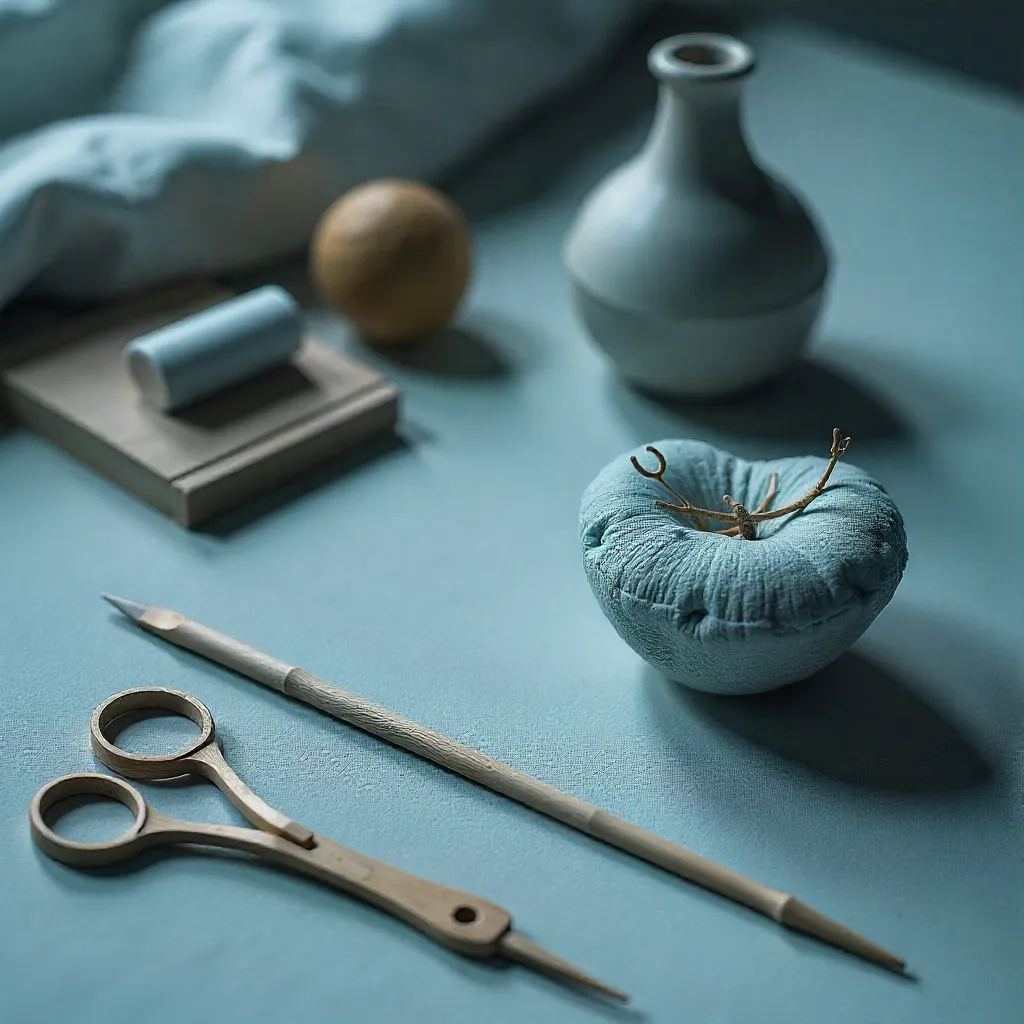
Materials Needed
- Natural fiber fabric (cotton, linen, or silk) - pre-washed
- Plant materials: onion skins (yellow), beets (pink), or turmeric (gold)
- Large pot (stainless steel or enamel)
- Mordant: alum (aluminum sulfate) for colorfastness
- Strainer and gloves
Step-by-Step Instructions
- Prepare the fabric: Wash your fabric thoroughly. Soak in water with a mordant (1 tablespoon alum per liter of water) for 1 hour. This helps the dye adhere.
- Prepare the dye: Chop your plant materials. For onion skins, use about 200g for a medium pot. Place in a pot with enough water to cover.
- Extract the color: Simmer the plant materials for 1 hour. The water will take on rich colors. Strain out the plant matter.
- Dye the fabric: Add your wet, mordanted fabric to the dye bath. Simmer gently for 1 hour, stirring occasionally. The longer it simmers, the deeper the color.
- Rinse and dry: Remove the fabric and rinse in cool water until the water runs clear. Hang to dry away from direct sunlight.
- Set the color: After drying, wash gently with mild soap. Your naturally dyed fabric is ready to use.
Mindfulness Tip: Natural dyeing connects you with ancient traditions and the earth itself. Watch the colors emerge slowly, like a sunrise. Notice how different plants create different hues. This process teaches patience and appreciation for natural processes.